
$12.99.
The price of a monthly Apple TV subscription... And a major hurdle.
It’s the bar Major League Soccer needed to clear by the end of the 2026 FIFA World Cup1.
Did it?
Created as part of the USA’s agreement to host the 1994 World Cup, MLS has always struggled for TV viewership compared to the “Big Four” professional sports in America: the NFL, NBA, MLB, and NHL. MLS matches draw in-person crowds. But American soccer fans are more likely to watch the Premier League, Liga MX, or the UEFA Champions League on TV than their local MLS club.
MLS’s current contract with Apple TV expires in 2029. As in most professional sports, TV money beats ticket money. And MLS needs more money from its next TV contract to be competitive on the global player transfer market.
The 2026 World Cup was about as close as modern America could get to 1990s monoculture vibes. Everyone (even my mom) watched. MLS had years to get ready, to coordinate with FOX, to strike while the iron is hot.
Every Saturday afternoon this summer, I’ve been taking “Selling Yourself and Your Ideas” (or as I call it, “storytelling class”) with Professor Tiana S. Clark, The Audacious Commander.
People need stories to connect emotionally. Characters, context, conflict, climax, closure. You don’t win over audiences (or pitch yourself!) without them.
The World Cup had plenty of stories:
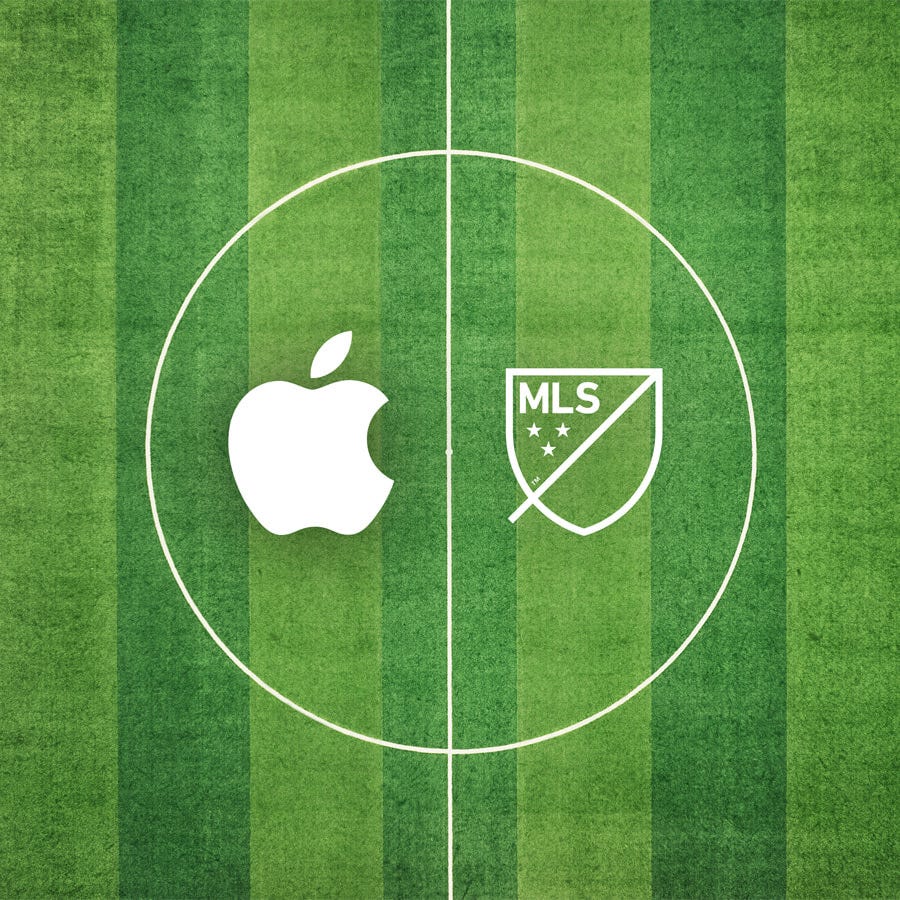
Lionel Messi and Cristiano Ronaldo making their (likely?) final World Cup appearances with Spain’s wonderkid Lamine Yamal rising to replace them.
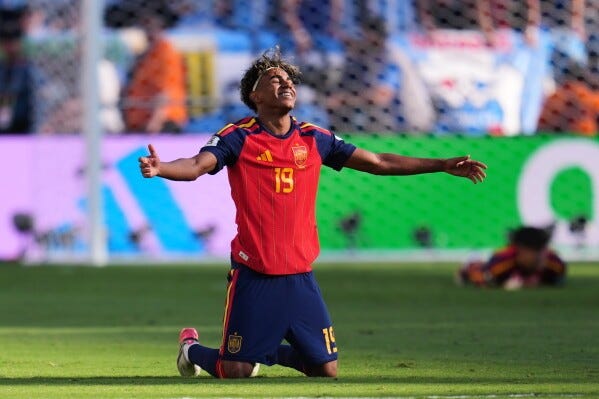
Christian Pulisic, Tyler Adams, and the USMNT aiming for a deeper run than any modern American team.
Viral social media stars like Freddy, the German fan road-tripping from Buc-ee’s to Walmart to Waffle House.
And of all the stories that broke through, how many involved players from MLS?
One.
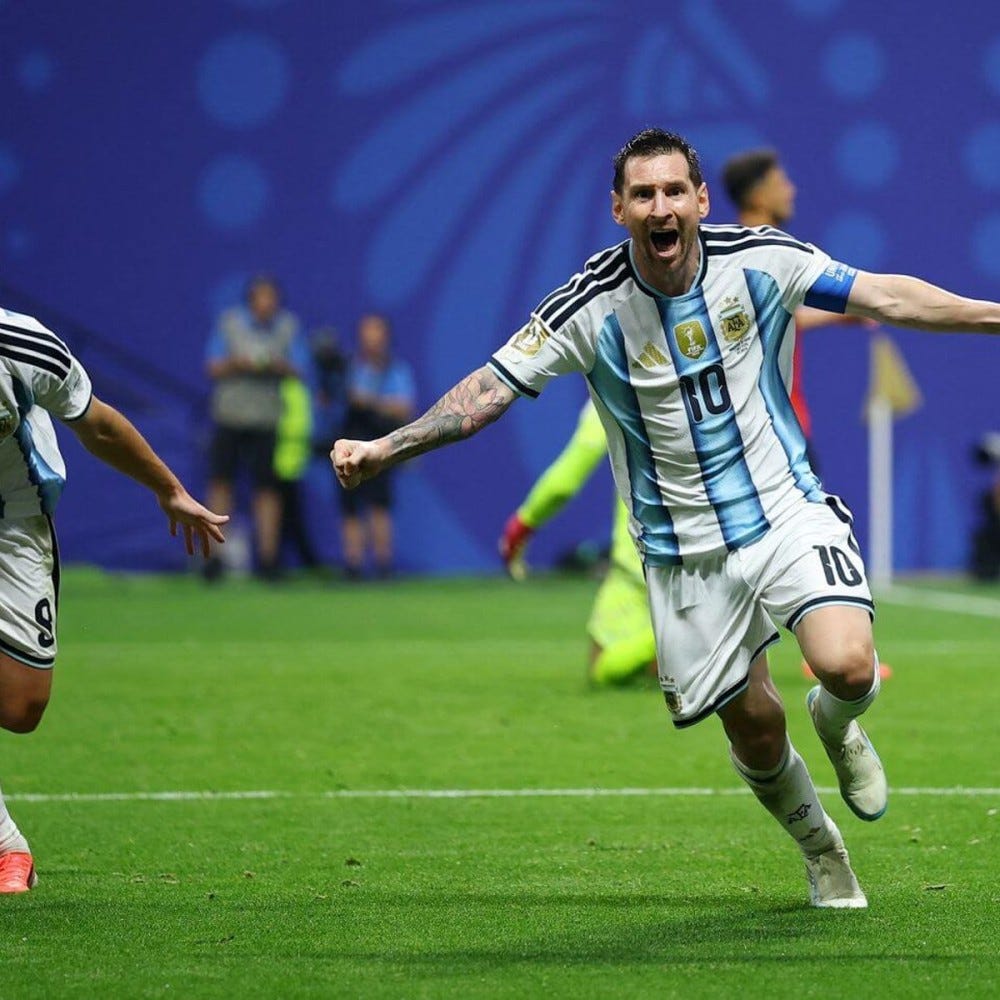
Because Messi’s the GOAT, not because he plays for Inter Miami.
But other stories?
Christian “Captain America” Pulisic plays for AC Milan in Italy’s Serie A.
England’s Jude Bellingham and France’s Kylian Mbappé? Both are Real Madrid galácticos in Spain’s La Liga.
That mighty viking of Norway that is Erling Braut Haaland? Manchester City. Premier League.
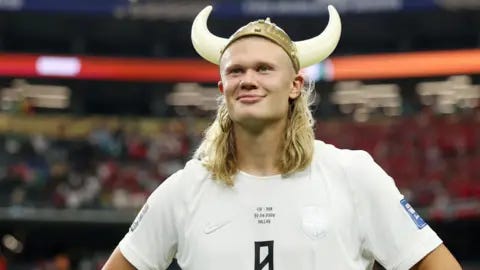
A key insight I had early-on in this truly transformational class was: Good storytelling is not improv. It takes time and practice. Effectively selling anything requires dedicated thought about what authentic stories will resonate best for each moment. A master storyteller has a quiver full of stories and selects the correct one for each moment. They make you feel specific emotions and don’t only present data or numbers.
As much as I enjoyed watching the World Cup, I formed no emotional attachment to any MLS player, much less to an MLS team.
I cheer for Notre Dame Football because I lived there for four years. And for Da Bears because my parents moved from Chicago to Downstate Illinois. There’s emotional connection. They’re in my blood and make my heart race when games get too close. A loss (especially to Southern Cal or Michigan) sours my whole following week.
FOX couldn’t ignore major stories from other teams, especially after the USMNT lost in the knockout rounds. Americans want those stories too! Part of the beauty of the FIFA World Cup is the celebration of a global phenomena and all of its participants! Stories like Curacao qualifying for the first time or the Scots drinking Boston dry were great, but the RIGHT stories for MLS’s strategic goal were missing.
Specifically broadcasting to an American audience (who watched in record numbers) meant also purposefully curating some stories focused on the MLS. (And make no mistake: FIFA wants American viewership of the MLS to grow. We’re a huge, untapped market.)
What emotions would I, a soccer novice, need to feel to want to keep watching given Notre Dame and the NFL would soon be on TV almost every weekend? (True fans know how needed a bye week can be for both players and for ourselves.)
Perhaps convincing me to do so was always impossible?
But FOX and the MLS had ample time to select the best stories for this crucial moment, the ones to plant the seed of emotional investment in Major League Soccer. It felt like they didn’t even try.
So, Apple TV won’t be getting my $12.99 a month.
But I’ll see the USWNT next summer. And the USMNT again in 2030.
Hopefully I don’t forget what “offsides” means before then.
Time will tell whether others feel the same way and forgo watching the MLS. If they too didn’t hear, see, and feel the right stories this summer.
Maybe we all just end up casually watching the Premier League on NBC before our regularly scheduled football viewing instead?
(Promotion and relegation sounds like a wild ride. Business reasons for the top schools aside, let’s import that to whatever Super League invades college football in the 2030s2. An optimized systems isn’t always optimized for each individual.)
For anyone wanting a well-done deep dive on the history of MLS, how it differs from other major sports leagues in America, and what MLS needs to do coming out of the 2026 FIFA World Cup, I highly recommend Paul Tenorio’s The Messi Effect: How the Global Legend Changed the Future of American Soccer.
For anyone who wants to know where college football is headed, I strongly recommend listening to the College Football Enquirer podcast and/or reading The Club: How the English Premier League Became the Wildest, Richest, Most Disruptive Force in Sports ― A Soccer History of Oligarchs and Tycoons by Jonathan Clegg and Joshua Robinson.