
Who Am I?
I’m that nerdy kid who always liked learning and going to school.
As a college sophomore home on Christmas vacation, I found my mom (a now-retired business law and ethics professor at Bradley University in Peoria, IL) in the kitchen, wearing a t-shirt saying:
“No matter what you major in,”
And as she turned around, I saw:
“You’ll end up in business.”
“But no, Mom,” I protested. “I’m gonna be a doctor. I don’t need to know about business.”
She just laughed and told me to set the table for dinner.
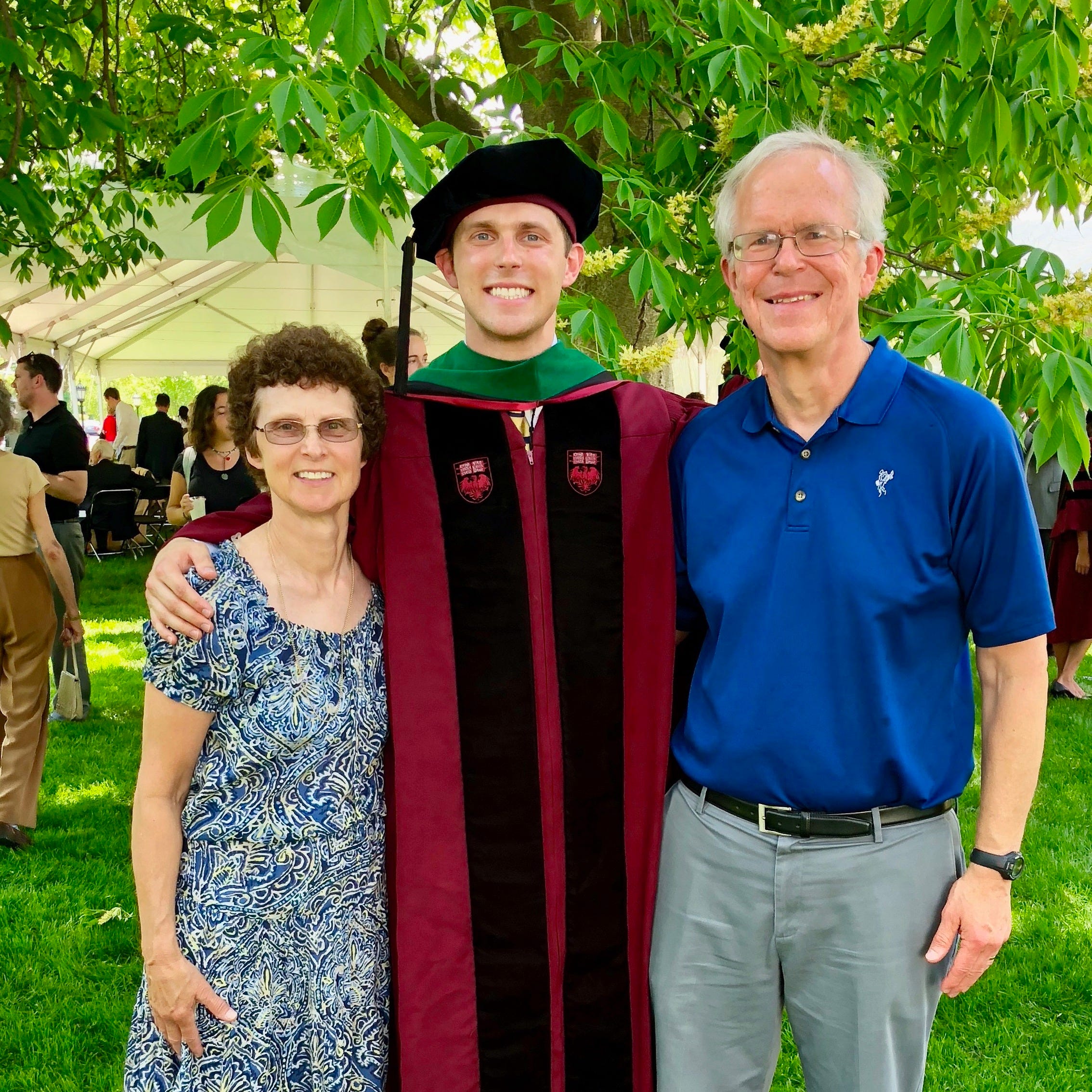
And now here I am, nearly two decades later, a practicing pediatric cardiac anesthesiologist at a major children’s hospital in Chicago and an MBA student at Northwestern University’s Kellogg School of Management.
Turns out, my mother is always right (about everything).
I’ve always enjoyed thinking about big problems and what’s at their core.
In high school, my friends and I sat around in someone’s living room debating mid-2000s current events and politics. (Again, I was and remain a nerd.)
In college, I majored in biology and worked in a research lab studying zebrafish retinas. Because med school, med school, med school.
But then in med school era, I kept finding myself at the college bookstore, buying books unrelated to anatomy and physiology. Or at the Institute of Politics, listening some talk or attending office hours with a guest- or scholar-in-residence.
One of my proudest moments: After leading a moderated discussion with former HHS Secretary Kathleen Sebelius, Sarah Kliff (then at Vox.com and now a health care reporter for the New York Times) telling me she liked my question about Romneycare serving as a model for the ACA and how would politicians propose new federal insurance programs without first seeing them tried on a smaller, state level.
Double nerd alert: I almost went as far as getting a public policy masters degree during medical school. Except, I had no idea how I’d use it. You don’t need an MBA to know that combo is an NPV < $0 style investment.
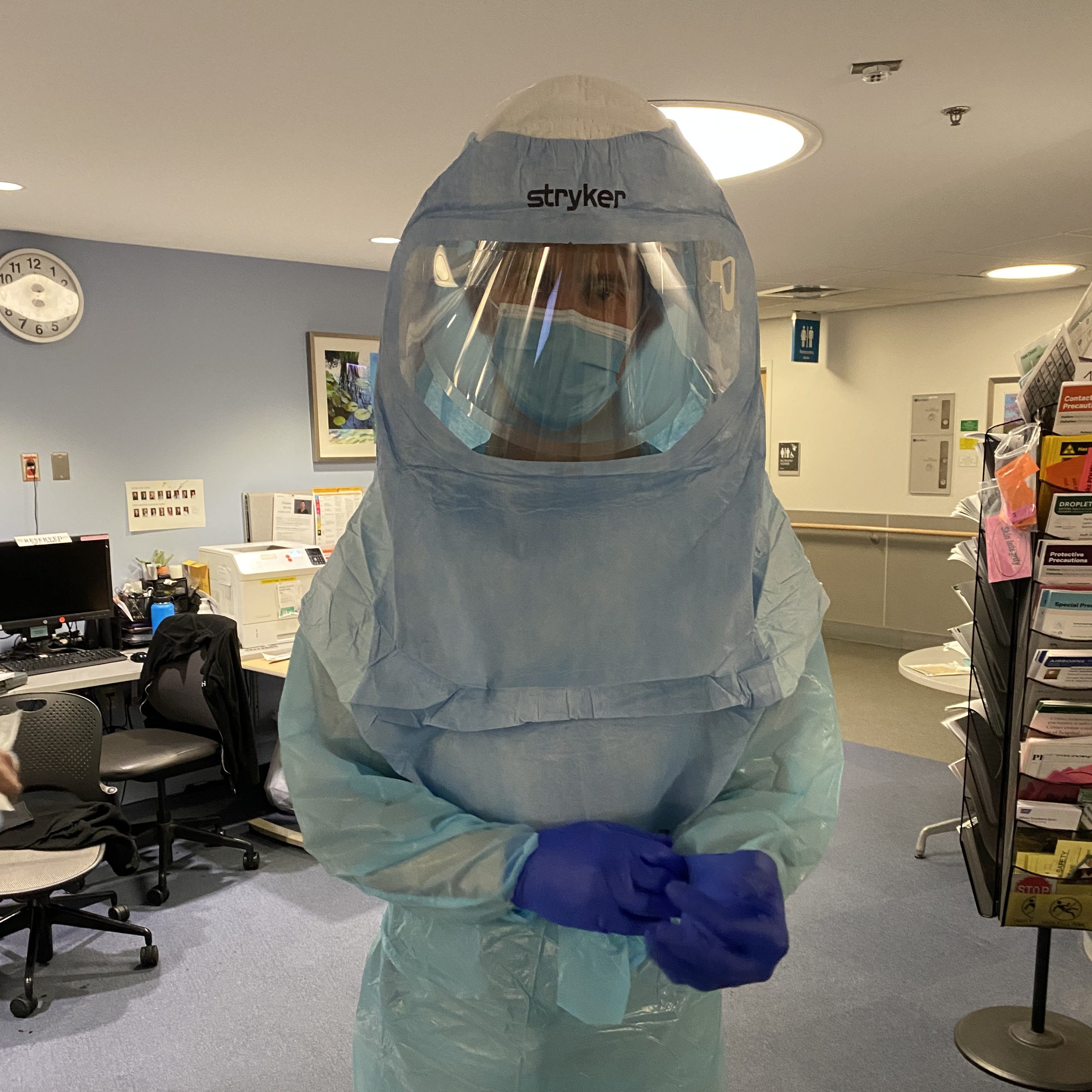
I completed much of my anesthesiology residency and pediatrics fellowship year during the onset and immediate aftermath of the COVID-19 pandemic. Lots of learning for me. Countless business and policy changes for the world.
Once done with my training, I moved back home to the Peoria area and worked in private practice. But I couldn’t see myself doing that day-in, day-out for the next 35 years. Taking care of kids is wonderful, but doing only clinical work left some itches unscratched.
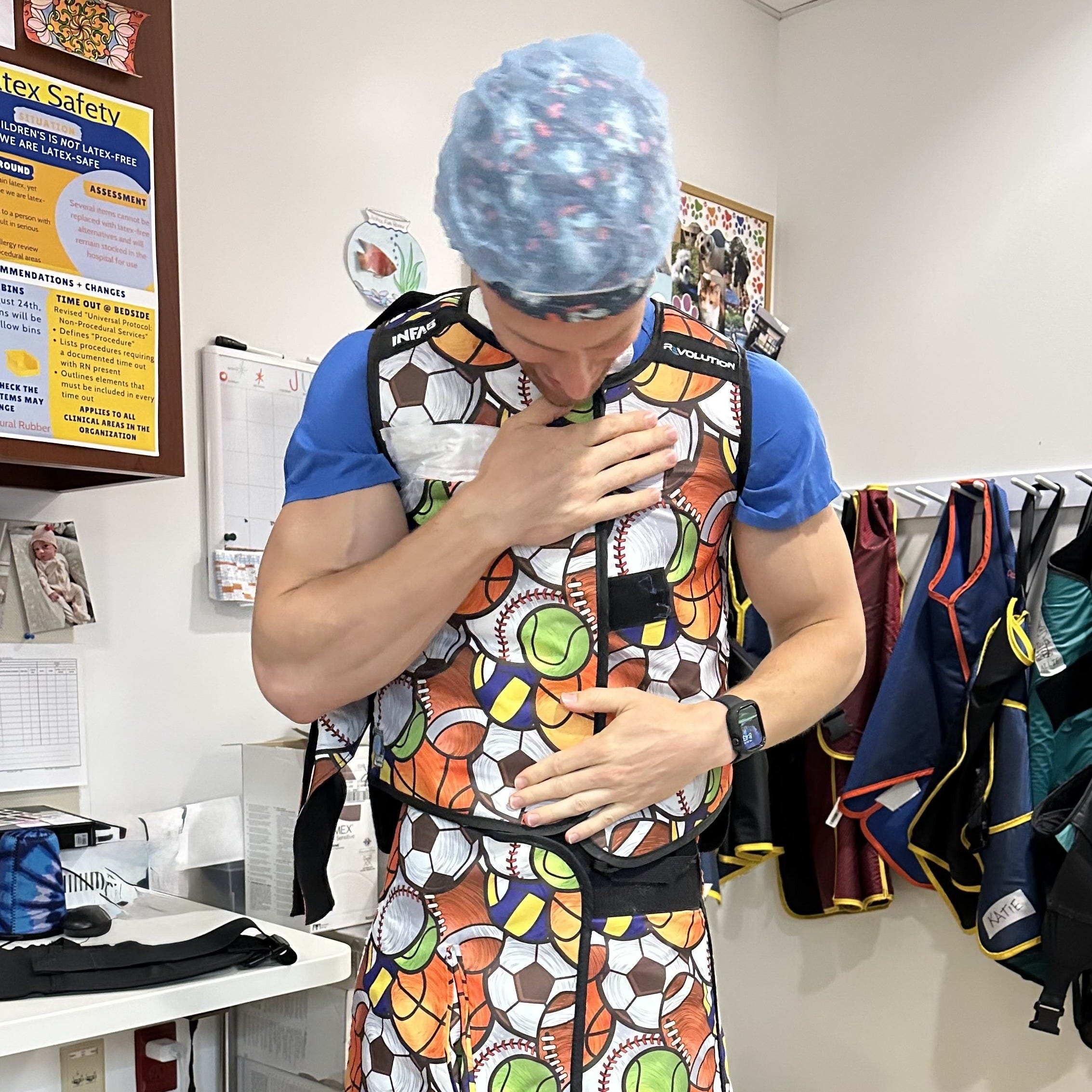
I paid off all my medical school loans, moved back up to Chicago several months after starting the Evening & Weekend MBA Program at Kellogg, and joined the cardiac team at a major children’s hospital1 where I’d rotated years before during residency.
Everything is a business (whether we want it to be or not) so understanding money and incentives matters when you want to change the world (or at least part of it).
Why do many hospitals offer only the bare minimum of pediatric services? Why do essential items like emergency drugs or newborn baby supplies go on shortage? Why did Caterpillar (mostly) leave Peoria (and why did the economies of so many small or rural towns change)?
All business problems.
What Do I Care About?
Personally, I care about where I’m from: this small town outside a Rust Belt city, and if you’re truly from there, you add an invisible R to the name.
For years, I lacked the vocabulary to describe that feeling. The closest I ever got was the concepts described in David Goodhart’s The Road to Somewhere. He writes in the aftermath of Brexit and on shifting political coalitions (driven by larger socioeconomic changes), but I take it more broadly. I’m a somewhere who, by a odd mixture of nature and nurture, feels a deep connection to where I am from and want to do the work to keep it an option for those who also call it home (and for anyone who’d like to do so). It’s not about one place being better or worse than another, but simply that one place is mine.
Someone else I strongly believe is a somewhere according to my definition of the term?
Benito Antonio Martínez Ocasio.
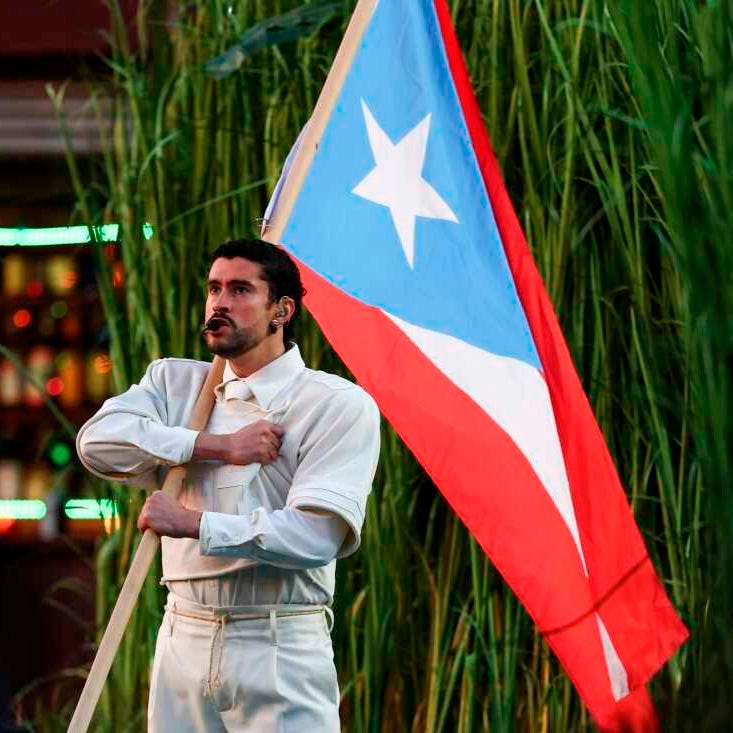
Or as you may know him, Bad Bunny. He clearly cares deeply about Puerto Rico and places its survival and success at the center of nearly all he does. He’s a somebody from somewhere.
I’ve no connection to Puerto Rico. But I know the feeling, except about a place with less ocean and more backcountry roads and lots of corn.
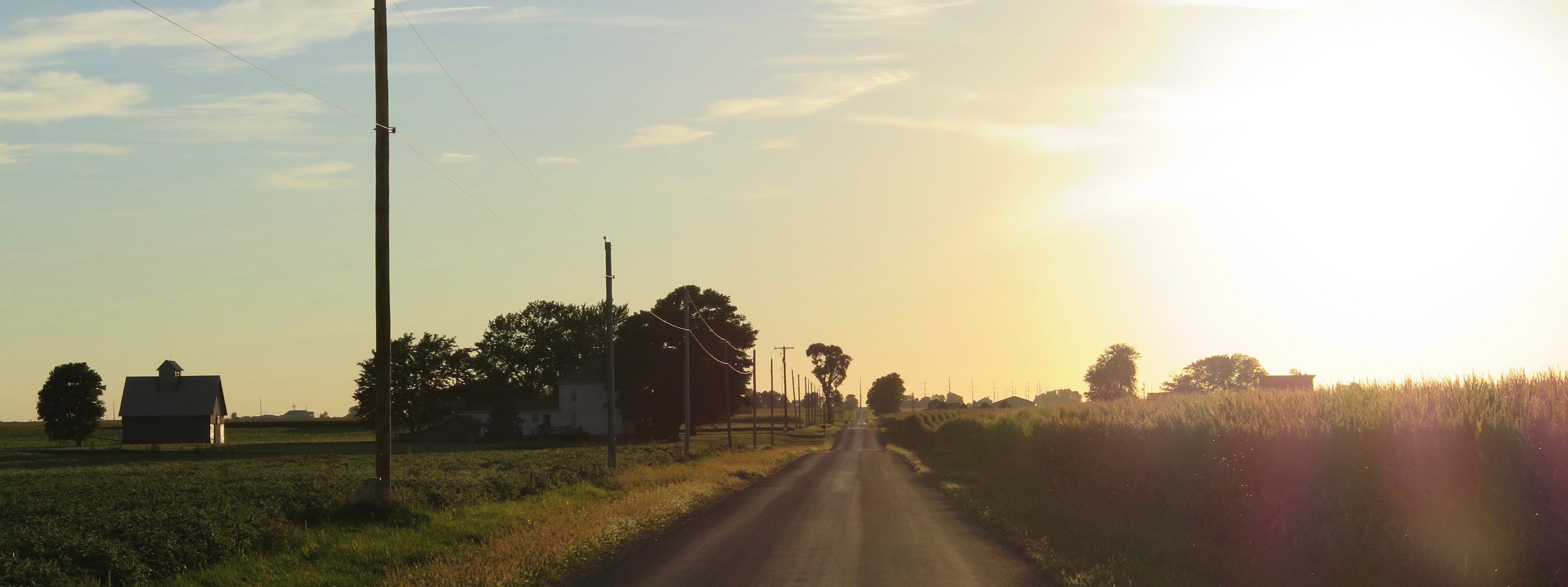
Professionally, I care about kids, about their health and their likelihood of thriving.
Like most people who work in pediatric health care (and with kids more broadly), I can’t tell you why I prefer it. It’s simply a feeling best described as #iykyk.
That feeling influences what I do on a daily basis. It’s what allows me to keep working through some very late nights and in the face of some really sad stories. Kids matter.
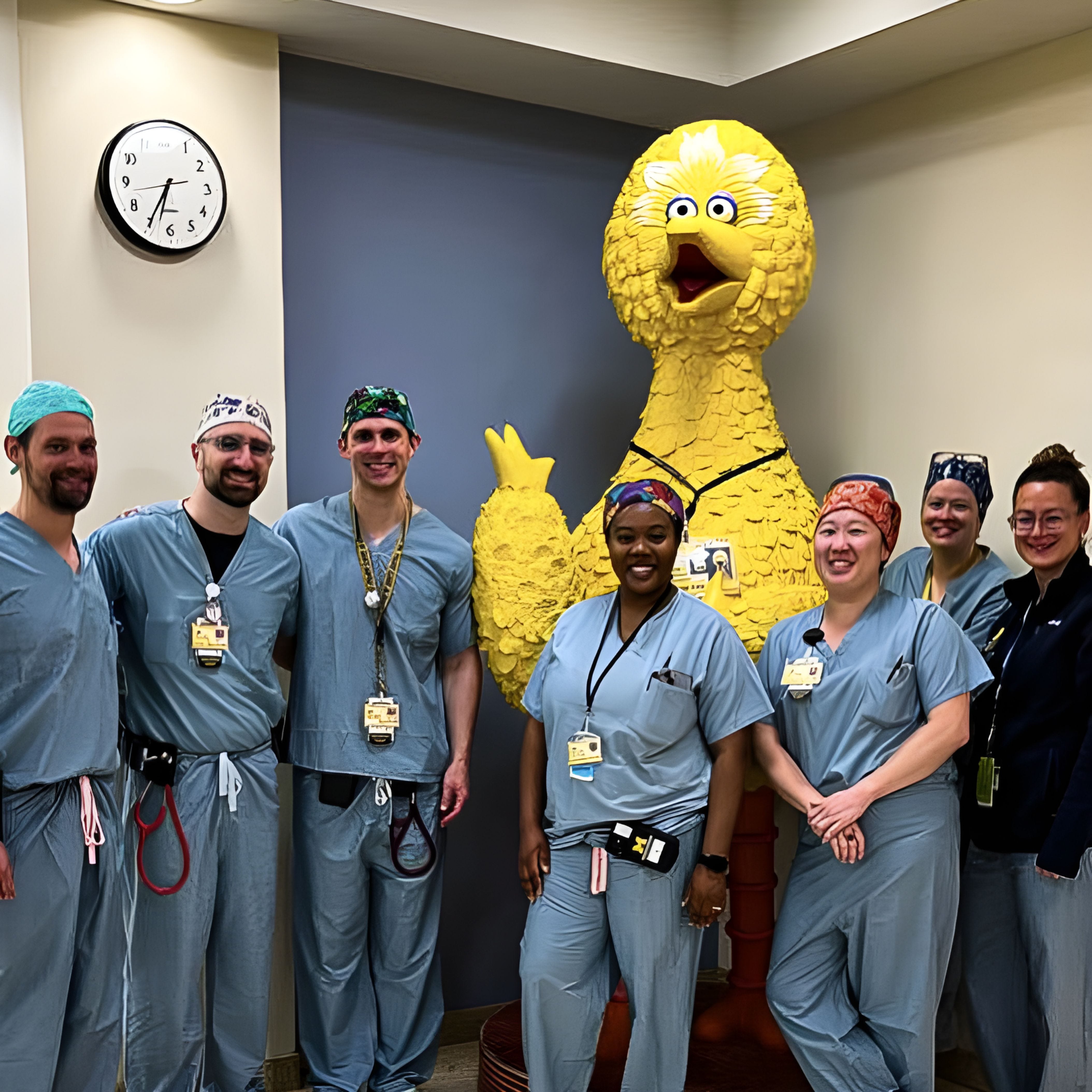
I care about the larger ecosystem, both business and policy, that allows us to care for kids, to set them up for success later in life. I could make an argument about “An ounce of prevention is worth a pound of cure,” but instead I’ll simply say it again. Kids matter. Your kids matter.
Academically, I care about strategy.
I love making a pun about working in “operations management” when a classmate asks “So, what do you do?”
But deep down, I care about how the rules of the game change the X’s and O’s and how to best adapt to those changing rules.
That high school nerd who loved debating current events simply grew up into an adult nerd who still likes reading about current events, history, and how public policy impacts those of us playing the game.
But that nerd doesn’t only want to discuss the rules of the game, he wants to be an active player. Can I change culture in an earthshaking way? No. I’m not Taylor Swift on her record breaking Eras Tour. Nor can I introduce society altering technologies like AI or GLP-1s.
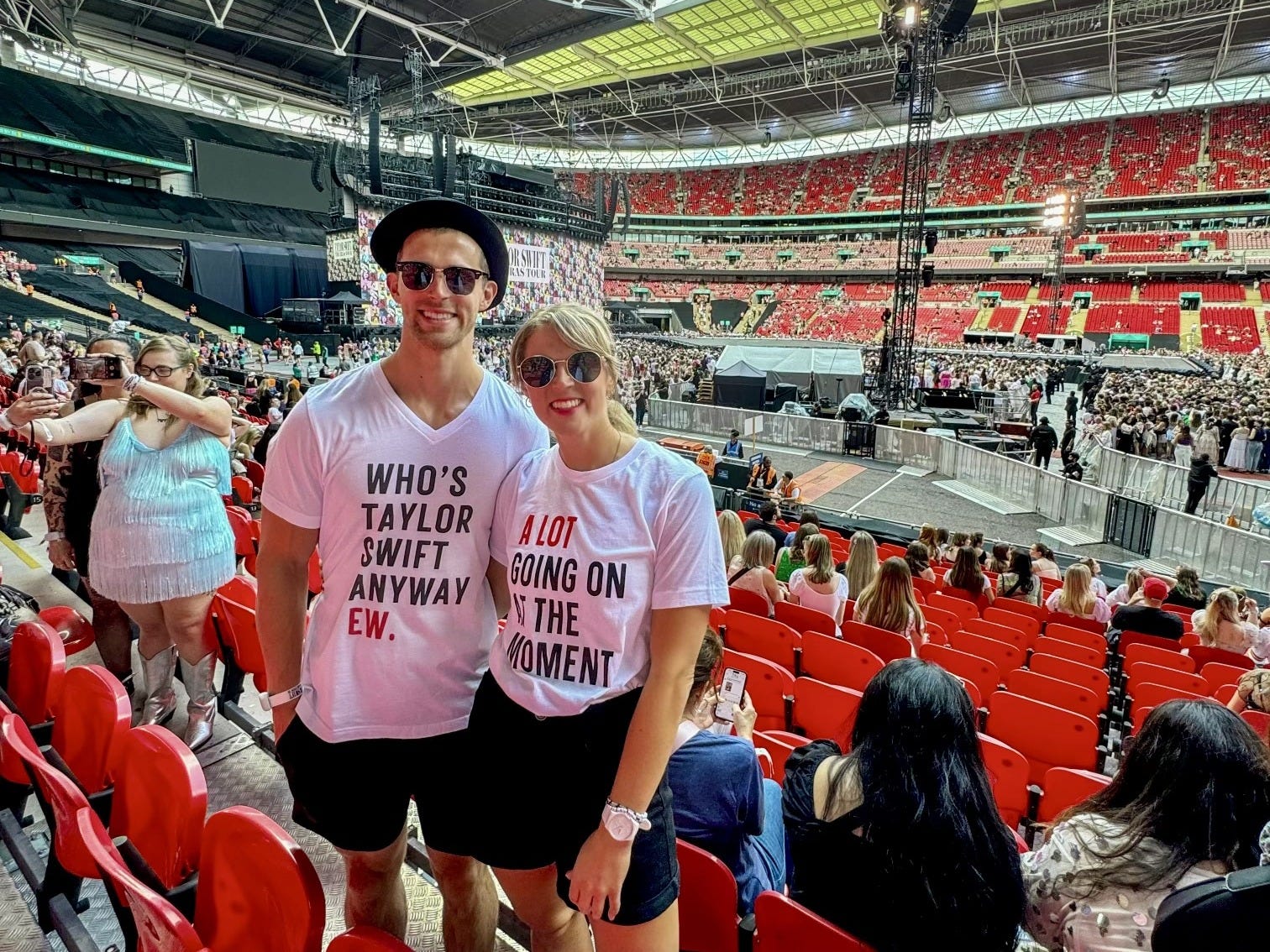
But what I can do is learn about and harness those strategic trends to affect the people, places, and things I do care deeply about.
The exact form that will take and what my future holds is still up for grabs. But it’ll be something interesting. You can count on that.
Why Start a Newsletter Now?
A professor told me to!
No, seriously. While discussing approaches to networking and using LinkedIn in “storytelling” class (more on that excellent class in my first post), my professor highlighted a post of mine and told me to consider writing a newsletter.
During my college nerd era, I was part of that 1-2% of kids who at three dining hall meals a day. In the peace and quiet that was an early breakfast, I’d read the opinion pages of whatever newspapers were available. I love reading arguments and deciding if I agree or disagree with them.
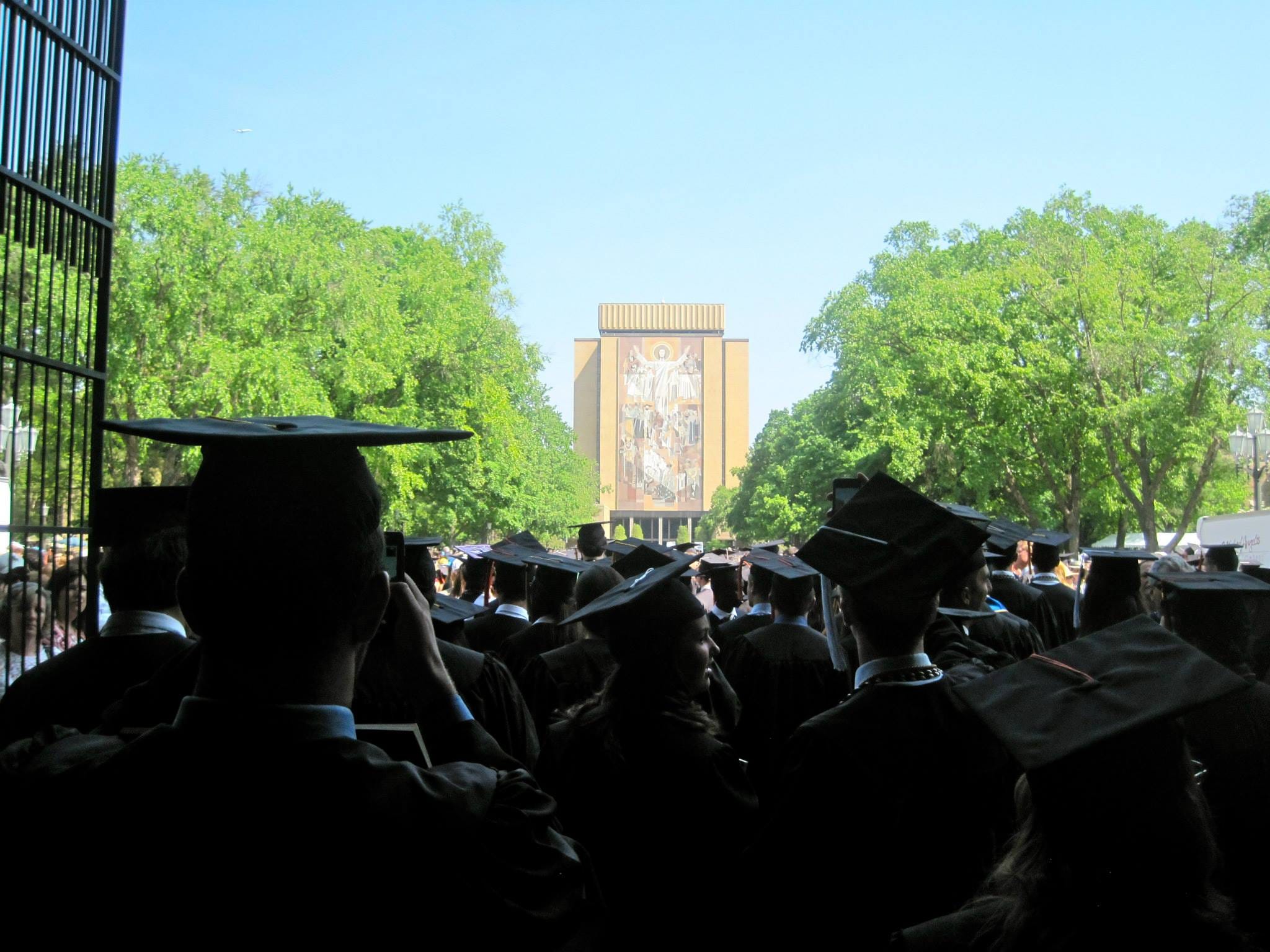
Aside from a love of long form argument, I want to define myself rather than allow someone else (or something else like AI) to do so on my behalf.
This newsletter is my attempt to do just that (freed from the confines of LinkedIn’s 3,000 character limit).
I hope you’ll join me and engage.
Tell me where I’m right.
But more importantly, show me my blindspots.
As we see what the future holds.
All views, opinions, and thoughts expressed in this newsletter are my own and not reflective of my employer or any other institution I am affiliated without, unless otherwise noted. As such, I will generally not refer to them by name to avoid any confusion as many posts will relate to the business of health care or health care policy.